
While presenting the award for Video of the Year, Madonna took the opportunity to deliver a lengthy speech about how her career was inadvertently started by the late singer and undisputed Queen of Soul Aretha Franklin, who died the Thursday prior. Reactions to the speech were overwhelmingly negative, with amateur and professional critics alike voicing their belief that Madonna disrespected Aretha by making the speech largely about Madonna, relegating Aretha’s influence to nothing but a footnote in Madonna’s story of her own rise to stardom.
Media Training
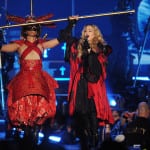
How Not to Give a Speech: Lessons From Madonna’s Aretha Tribute at the VMAs
August 21st, 2018 by Justin Joffe
PR Pros Weigh In on Papa John’s and It Has Nothing to Do With Pizza
July 12th, 2018 by Seth ArensteinA tenet of internal communications is that whatever you say internally eventually will leak externally. That dictum probably applies to nearly everything that happens in corporate America. Anything an executive says, writes or does is liable to be discovered, savvy PR pros would argue. But what about media training sessions? The Papa John’s case opens a can of worms.

60 Seconds of Fame: How PR Pros Can Make The Next News Hit Count
June 18th, 2018 by Michael Kaplun, The Fratelli GroupPity the media relations pro. Not only are attention spans vastly reduced, many media outlets have responded to this with vastly shorter stories. Instead of giving up, PR pros must understand their efforts to gain earned media may result in a media hit lasting a mere few seconds. Here are a few tips to help pitchers shape messages so they will thrive in the new, short media landscape.

6 Public Speaking Tips for the First 2 Minutes of Any Presentation
April 25th, 2018 by Steve GoldsteinSome of us—make that most of us—who’ve spoken at conferences and in boardrooms consider ourselves to be passable speakers at best. You can’t change your basic character and erase years of habits and phobias overnight, but you can create a mental toolkit that can slowly transform you from a tic-plagued live speaker into a true performer who’s always in sync with an audience.
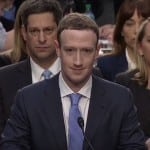
Mark Zuckerberg Offers a PR Lesson on Capitol Hill
April 11th, 2018 by Seth ArensteinThe key to Mark Zuckerberg’s fine April 10 performance before a Senate committee on Capitol Hill, which resulted in his becoming billions richer when Wall Street approved of what it heard, is something so basic it often is glossed over in PR training courses. While Zuckerberg’s vast resources no doubt helped his preparation, any PR pro can avail herself/himself of many of the same tips and tactics his handlers used.
Mark Zuckerberg Offers a PR Lesson on Capitol Hill
April 11th, 2018 by Seth ArensteinPR professionals say it all the time. They repeat the phrase so often sometimes its meaning gets lost. I’ll admit, my eyes roll when this concept is the first takeaway of a submitted essay I’m editing… Continued

How PR Pros Can Ensure Better Interviews for Brand Executives
March 1st, 2018 by Arthur SolomonAnything said during, before or after an interview can appear in a story. In fact, anything said anywhere can end up being reported. Hope Hicks found out that even what you tell the House Committee on Intelligence behind closed doors can end up being reported.

Shaun White’s Press Conference Bridging Technique Won’t Win Him Any Gold Medals
February 14th, 2018 by Seth Arenstein“Honestly, I’m here to talk about the Olympics, not gossip,” gold medal winner Shaun White said in response to a reporter’s inconvenient question about a sexual harassment accusation that eventually was settled out of court. But reporters aren’t paid to stick to a star’s script, usually—the Olympic champion knows that now.

Week 3 of #MeToo: Spacey and Halperin’s Contrasting Apologies Get Added to the Stack
October 30th, 2017 by Ian James WrightSpacey was accused of a forceful sexual advance by actor Anthony Rapp, who was 14 at the time. Halperin was accused by 12 women of sexual assault and harassment during his tenure as political director at ABC News. Their statements differ in some very important ways.
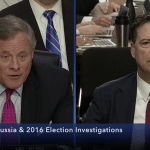
4 Lessons Comey’s Testimony Can Teach Spokespeople and Media Trainers
June 8th, 2017 by Ian James WrightFormer FBI Director James Comey’s testimony to an open session of the Senate Intelligence Committee June 8 was hotly anticipated, to say the least. It was a true high-stakes test of how Comey would bear up under pressure. Most would agree: The man makes a good impression. If you work with spokespeople who are going to have some major questions thrown at them, the morning’s proceedings contain several lessons. Have your media trainee watch the footage, and give them this advice.