


On Oct. 29, 2026 hackers drained around $6.3 billion from Binance’s hot wallets in what could be the largest crypto theft in history. The world’s biggest cryptocurrency exchange suspended withdrawals, began reopening them three days later and on Nov. 3, 2026, published a detailed report of the attack, along with a public apology.
Let’s look at how Binance communicated through the crisis, from the first hours to the recovery, and what lessons it offers PR professionals.
The Binance Response
- Consistency builds credibility.
Binance’s first public statement appeared on X (formerly Twitter) about an hour after the attack began. After that, it came back with regular updates, each adding something new, and each channel served a different audience: X and Telegram kept users informed in real time, LinkedIn spoke to partners and the wider industry, and media interviews reached the journalists, investors and regulators following the story.
Its official security update on the company website became the single source of truth that all these channels linked back to. Specific timelines came from the co-CEOs on X, and Binance delivered: withdrawals reopened as promised, and the technical report followed four days later.
- Money, not just words.
Within four hours of the attack, Binance committed on X to covering all losses, a pledge it repeated later that night on its website. The money would come from the company’s own funds and its Secure Asset Fund for Users (SAFU), an emergency reserve Binance created in 2018 for cases like this. By Nov. 3, it said it had replenished 98% of the affected token assets using its own resources. An early, concrete financial commitment gave customers something more tangible than an apology.
- Visible leadership
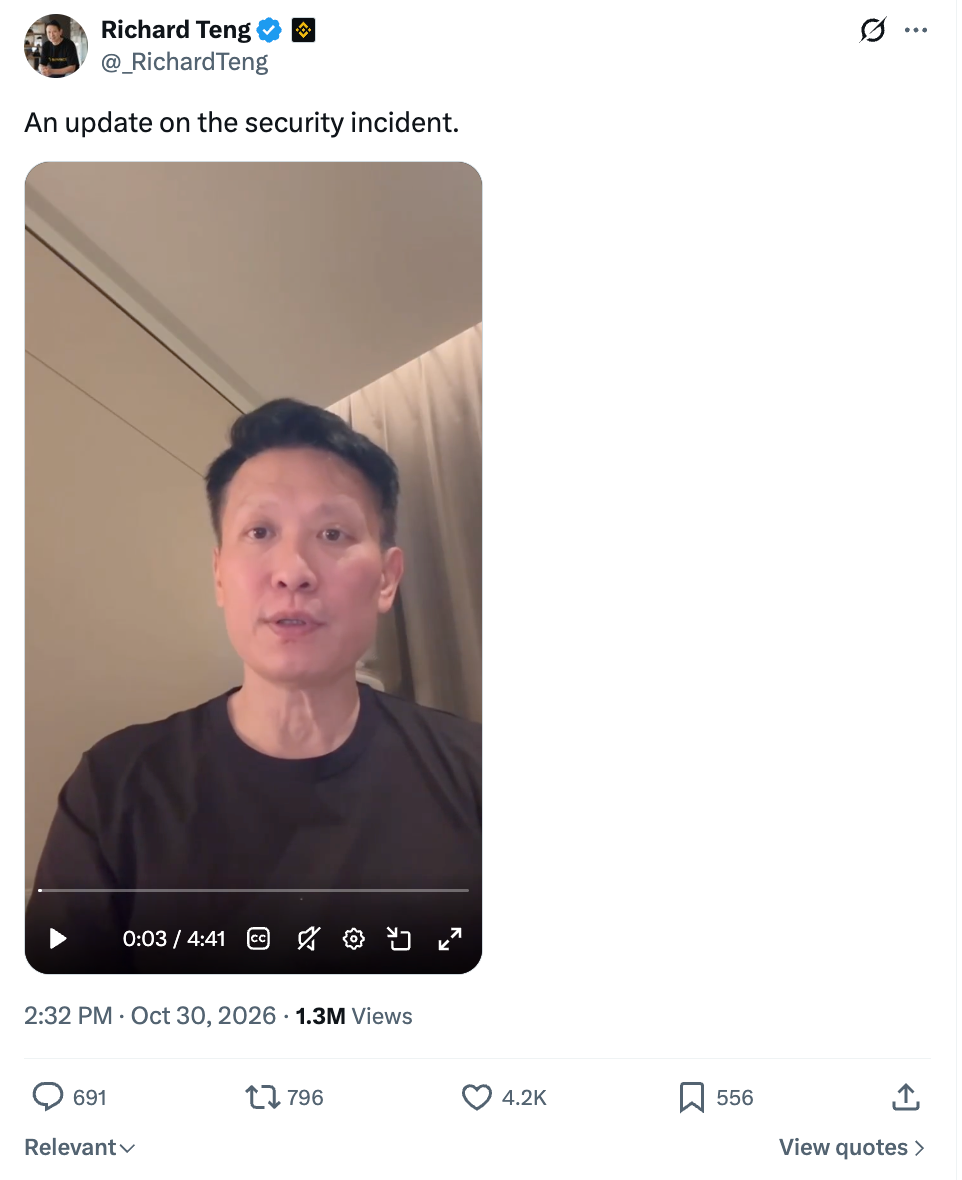
Co-CEOs Richard Teng and Yi He addressed users directly on X rather than leaving it to the corporate account. Teng recorded a video explaining what had happened, and Yi He promised that withdrawals would resume within 48 hours. Once the technical report was out, Teng also made himself available to the media, taking questions from CNBC and Fox Business and repeating the apology on air: “This should not have happened.”
Where the Challenges Lie
Binance’s first explanation pointed to a single compromised engineer’s laptop. The technical report later showed how it had been compromised: North Korean hackers, posing as recruiters on LinkedIn, staged fake job interviews and persuaded the engineer to download a malicious “assignment.” From there, they reached other employees with access to the company’s wallets. The early account wasn’t wrong, but it was incomplete. One way to handle it is to label early findings as preliminary. The Krebs Framework helps here: say what is known, what isn’t yet and when the next update will come.
The second challenge was explaining why customers couldn’t reach their money. Binance repeatedly said user funds were safe while withdrawals remained suspended, which raised an obvious question: if my money is safe, why can’t I access it?
Reassurance alone couldn’t answer that. The more convincing message was that the pause itself protected their funds, as co-CEO Yi He put it: “Our top priority right now is to ensure the environment is secure, after which users can withdraw their funds.”
The Trust Test
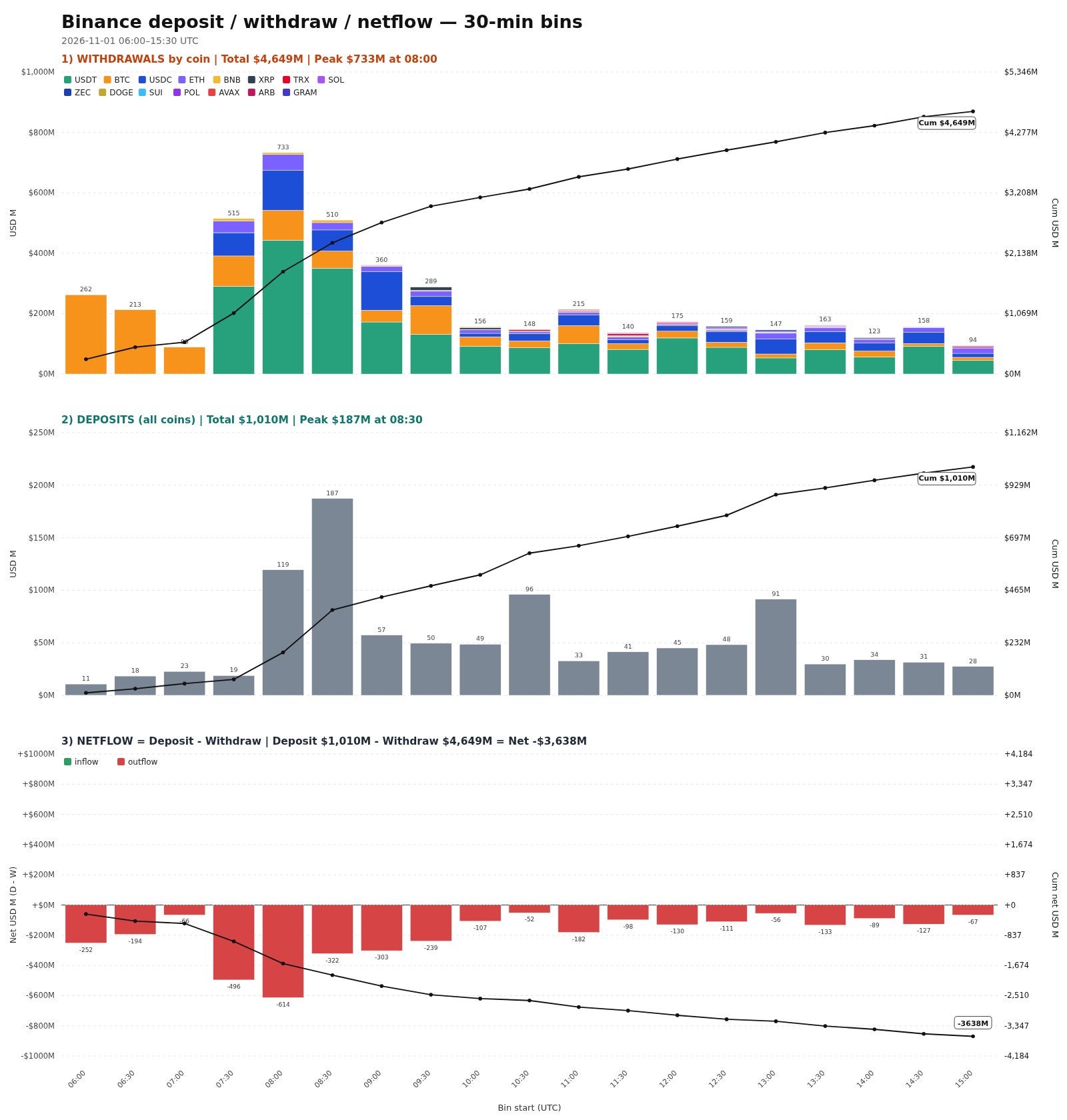
In the first 9.5 hours after withdrawals reopened, customers pulled a net $3.64 billion, Binance said, about 2.1% of its assets. Most of it left in the first few hours, before outflows stabilized. By the next morning, net withdrawals had reached $4.7 billion, Bloomberg reported, still under 4% of the platform's assets.
Some traders told Reuters they were keeping their accounts. That doesn’t point to a collapse of confidence. But it doesn’t prove that trust has been restored either.
For communicators, this is the main takeaway. Trust in this crisis wasn’t just a reputational question, because it showed up on the balance sheet in real time. Each update could help customers decide to keep their money on the platform, so the job of crisis communication was to hold on to that trust.
Five Takeaways for PR Professionals
- Prepare executives to communicate before they have all the answers. In a crisis, people want to hear from leaders, not just the corporate account. Build that readiness in advance: agree who speaks on which channel and prepare holding statements.
- Transparency doesn’t mean having all the answers. Follow the Krebs Framework: explain what is known, what remains uncertain and when people can expect another update.
- Build a verification plan into your crisis response, not just a messaging plan. Know in advance what proof you can offer, from independent audits to technical reports.
- A crisis doesn’t end when operations resume. Systems and funds can be restored in days, but trust takes longer, so keep communicating after the service is back.
- In a crisis measure behavior, not just media coverage. Customer withdrawals, retention and complaints show whether communication is working better than the number of headlines does.
The Binance case shows how a cyber crisis can begin with something as ordinary as a fake job interview and escalate into a multibillion-dollar reputational challenge. The attackers exploited human trust to gain access to the company’s systems. Rebuilding that trust is a different challenge altogether.
Restoring operations is a technical task. Compensating customers is a financial decision. Rebuilding trust requires both, supported by communication that is clear, consistent and backed by evidence.
The real test is not only how quickly a company declares the crisis over. It’s whether customers have enough reasons to trust it again.
Julia Petryk is Co-Founder and CEO of Calibrated.