
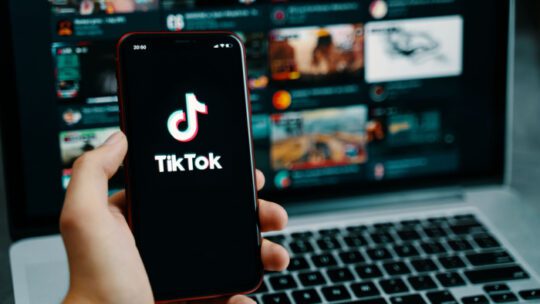
In late January, many U.S. users opened TikTok and found a broken experience: they could not upload or publish videos, comments would not load, some For You Pages appeared in other languages, and in some cases users could not log in at all. TikTok, now operating under a new U.S.-based joint venture structure, attributed the disruption to a power outage at a U.S. data center that impacted TikTok and other apps on the same infrastructure. While service has been restored, the incident exposed how dependent brands and creators have become on a single platform behaving predictably.
On the brand side, posts became stuck in endless “under review” status, content published but was not actually served to feeds (sitting at zero views unless accessed via direct link), Collab tools broke, and For You feeds became non-personalized—all of which can quietly erode performance even after an outage is “fixed.”
How Audiences and Creators are Responding
The technical issues landed on top of a separate trust issue: an in‑app pop‑up announcing updated Terms of Service and changes to the types of information TikTok collects. That combination accelerated skepticism among users, sparking more app deletions alongside theories about politicization of the algorithm and censorship of speech.
Creators, who are often the most powerful distribution partners for brands, are not waiting to see how this plays out. Many are announcing a reduction of their presence on TikTok or an active diversification of their platform mix, prominently sharing handles for Substack, Instagram, YouTube and emergent players like UpScrolled which recently surged from roughly 150,000 users to more than 1 million and briefly hit the top spot in Apple’s free app rankings. When creators hedge, brands feel it next.
What Brand Marketers Need to Know
From a performance standpoint, some brand accounts saw noticeable weekend‑over‑weekend declines tied to publishing errors and short‑term algorithm volatility. This does not mean your TikTok strategy is broken. It does, however, mean measurement windows and expectations need to account for platform‑level instability.
There are also reputational considerations. As political and policy conversations increase on TikTok in the wake of the U.S. ownership transition, brand content can show up adjacent to more polarized discourse, which may draw additional scrutiny from legal, communications and executive teams. Your job is to separate signal from noise: distinguish one‑off operational incidents (like a data‑center outage) from structural risk (governance, data and regulatory exposure).
Our guidance to clients has been consistent: do not overreact to a single outage, but do use this moment to pressure‑test your dependence on TikTok as a single point of failure.
How Brand Leaders Should Move Forward
How brand and comms leaders can respond:
Hold course, but widen the lens
Do not abruptly pull back budgets or cancel content unless there is clear evidence that issues are persisting on your specific accounts. Extend the performance look‑back window, watch for anomalies in reach and completion rates, and annotate this period in your reporting as to not misattribute platform‑driven dips to creative or media decisions.
Get closer to your creators
Ask creator partners how the outage and ToS updates are affecting their behavior and audiences. If they are diversifying to platforms like YouTube Shorts, Reels or UpScrolled, explore mirrored or adapted programs that follow them, not just the algorithm.
Stress‑test your channel mix
Ask your team this: if TikTok went dark for 30 days, where would incremental reach and cultural relevance come from? The answer should include a thoughtful blend of short‑form video elsewhere, creator‑owned channels (newsletters, podcasts) and search‑driven platforms.
Revisit risk and governance
Connect with legal and corporate comms and make sure you’re aligned on content potentially living adjacent to political and policy content on TikTok under its new U.S. governance model. Document escalation paths for future outages so social teams are not improvising explanations to internal stakeholders in real time.
Keep listening, not panicking
Set up structured social listening and creator feedback loops for the next 60 to 90 days to monitor sentiment, moderation concerns and any repeat technical issues. Your competitive advantage will not be abandoning TikTok first; it will be understanding the audience’s actual behavior better than your peers.
The outages and ownership headlines are a reminder that platforms will keep shifting under our feet. The brands that win on TikTok—and whatever comes next—are the ones building flexible, creator‑centric ecosystems, and not just chasing the next viral sound.
Nicole Stetter is Head of Social at Saylor.