
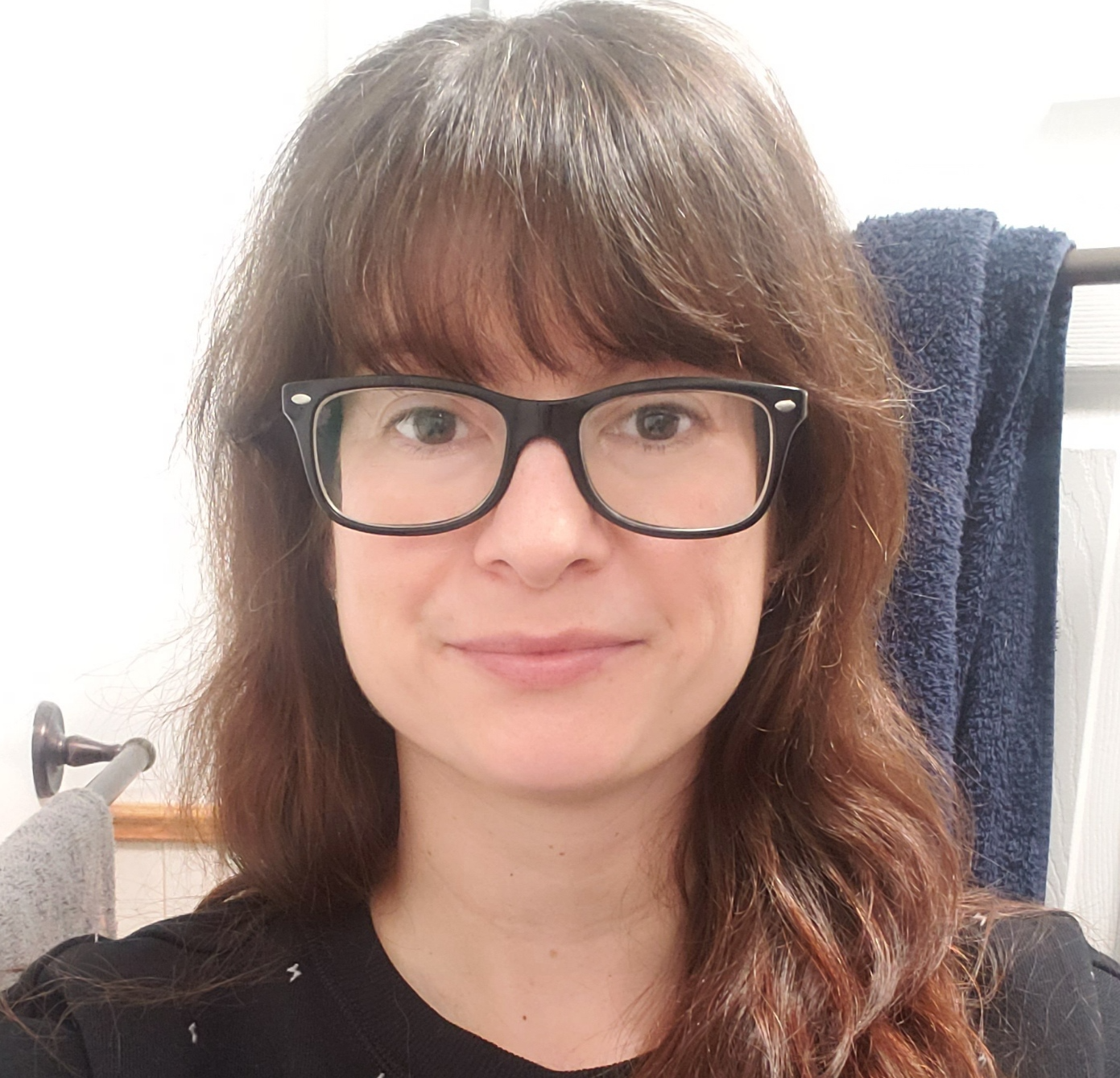
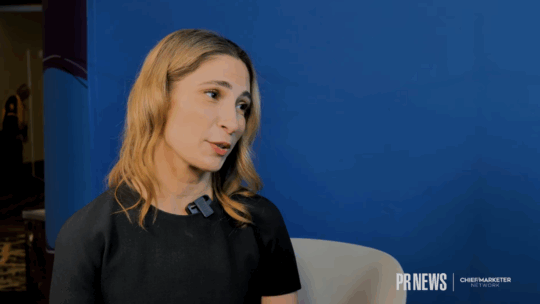
PRNEWS spoke with Sona Iliffe-Moon, Chief Communications Officer at Yahoo, at CES 2026 in Las Vegas, Nevada. They discussed the brand's renaissance, AI credibility and trust and getting the comms team involved in the backend of AI for PR.
Nicole Schuman is Managing Editor at PRNEWS.
Transcript:
00;00;05;27 - 00;00;07;09
Speaker 2
Hi everyone. We're here with Sona Iliffe-Moon, Chief Communications Officer at Yahoo, and we're going to talk about Yahoo's recent rise, again. And, what goes into that in terms of communications? First, I'd like to start off with a little bit about your background. And how did you end up in comms and how long have you been at Yahoo?
00;00;26;16 - 00;00;49;03
Speaker 1
Yeah. So I'll start with your first question. And Nicole, thank you so much for having me here. It's a it's a really bright spot here at CES. I started in communications after a stint, doing, like, foreign policy work, and I realized that I actually really like the opportunity to communicate with the public, make sure the public had information they needed to be well informed.
00;00;49;04 - 00;01;07;27
Speaker 1
So I went to graduate school to learn strategic PR and then started my career in public relations. First, on the agency side at a couple different agencies like Weber Shandwick and Hill Knowlton. And then I started my in-house career at Toyota at their corporate headquarters in the US.
00;01;07;29 - 00;01;10;07
Speaker 2
And yeah, we were a family.
00;01;10;07 - 00;01;10;24
Speaker 1
Oh, I love it.
00;01;10;24 - 00;01;12;20
Speaker 2
Driving my first car.
00;01;12;22 - 00;01;17;01
Speaker 1
Yeah. I mean, they're highly reliable, quality vehicles. Yeah, absolutely.
00;01;17;03 - 00;01;20;13
Speaker 2
And can you explain a little bit about your role and your responsibilities?
00;01;20;16 - 00;01;48;11
Speaker 1
Yes. I have the opportunity and privilege to lead communications at Yahoo, and that essentially means, reintroducing the company, our products, our people to to the world. It's obviously a company that's been around for over 30 years now, an internet pioneer. And to be able to not just, reintroduce ourselves, but to also show what we've been up to and what we've been building over the last few years.
00;01;48;17 - 00;02;15;26
Speaker 1
I joined Yahoo in late 2023, and I felt like it was a once in a lifetime opportunity to be part of that reintroduction of a company that I still believed in. And the reality is, so many people, nine out of ten Americans visit, Yahoo property like a Yahoo Finance or Yahoo sports. Yahoo! Mail every single month. And so the the true gap and opportunity was, hey, we need to get back into culture.
00;02;15;26 - 00;02;20;17
Speaker 1
We need to get back into conversation. And that felt like an opportunity I couldn't resist. I still have.
00;02;20;17 - 00;02;44;15
Speaker 2
A Yahoo email account that after many years and, you know, a lot of people think of Yahoo as the search engine or easy, but now people think of it, you know, as a news and content organization. You know, tech brands, your spotlight can be fleeting, right? You know, remember, ask Jesus or cats.com or Napster, who's actually you're it's by the way now doing something.
00;02;44;15 - 00;02;59;08
Speaker 2
And I, you know, Yahoo is, as you said, one of the OGs and has had somewhat of this Renaissance or in the past, you. And that's not easy to achieve, particularly with the current state of new media. So how did you guys do it?
00;02;59;13 - 00;03;20;03
Speaker 1
Yeah, I think, so our newest chapter started in 2021. The company is owned by a private equity firm called Apollo, and that's really allowed us to focus very much on our users and how they're experiencing our products and leveling up all of our products. So every single pixel of every product has been updated over the last few years.
00;03;20;03 - 00;03;40;08
Speaker 1
And, we have gone back to our original mission, which is to help people kind of, find their way through the internet to be that trusted guide in the digital wilderness. And so that's really more important than ever. And I think, the reality is our products have been useful for 30 years, and that's why people have stuck it out with us.
00;03;40;08 - 00;03;45;17
Speaker 1
And now we've really elevated that experience for them.
00;03;45;20 - 00;04;05;11
Speaker 2
I know PR pros are really wrestling right now with how AI shapes credibility. You know, Yahoo is definitely directly in that flow. First off, you know, how is Yahoo thinking about trust and verification, especially as AI generated content becomes more prevalent across the web?
00;04;05;13 - 00;04;27;12
Speaker 1
Yeah, I think, you know, there's two ways around that. One, as a publisher, we're both a consumer tech company and a media company. We're both of those things, and that's a unique intersection. But when it comes to our Yahoo news, we work with trusted, verified publishers. We have over a thousand in our network, and we have high editorial guidelines for accurate, fair, reporting.
00;04;27;19 - 00;05;02;29
Speaker 1
So that's incredibly important to us to in our work with publishers, but in our own reporting, that's also the same. And we have, you know, systems to, to verify both through AI but also through human, humans in the loop as well. So there's a kind of twofold approach to that on the, on the publisher side. And then for us on the communication side, obviously, making sure we're telling our stories to reputable sources and telling our stories directly to people through social, even on LinkedIn, via Instagram, etc. that's also been very important for us.
00;05;03;02 - 00;05;20;14
Speaker 2
That's great. You know, I guess talking about, what responsibility do platforms like Yahoo have in helping users distinguish between, you know, human created content, AI assistant, synthetic content? You guys, you guys feel a responsibility there?
00;05;20;17 - 00;05;42;17
Speaker 1
I think, how we approach it is we work with these trusted, verified sources to begin with. And so either it's a known, renowned publisher or it's our own first party reporting done by humans. So we've fact checked our stories. We use like, actual photography. And if we are using AI, I think it's important to be transparent.
00;05;42;17 - 00;06;06;26
Speaker 1
So we are disclosing that, for example, Yahoo News has an AI generated daily, news digest. And, it's a little podcast that kind of captures the news you might read into a podcast that's clearly labeled as I think that type of disclosure is incredibly important. So those are some of the ways we're approaching it. We also do have creators in our ecosystem.
00;06;06;29 - 00;06;22;20
Speaker 1
So, they're all, you know, reviewed by us, and they're able to share, you know, their content, like, Nick, did you have any and others who are, you know, sharing their content around lifestyle topics like cooking or travel or shopping? Yeah.
00;06;22;23 - 00;06;26;11
Speaker 2
A big trend, right? Yes. And content news.
00;06;26;11 - 00;06;27;06
Speaker 1
And things like that.
00;06;27;06 - 00;06;33;28
Speaker 2
So but it's it's nice to that your readership or you know, viewership knows that. Yeah. That the.
00;06;33;28 - 00;06;36;28
Speaker 1
Content creators are also being bothered to make.
00;06;36;28 - 00;06;49;26
Speaker 2
Sure that information and it's totally, looking at your stuff and, you know, your priorities on the comms team. What are you guys looking at for 2026 now that you had a big year in 2025?
00;06;49;28 - 00;07;13;18
Speaker 1
Yes, I mean, hopefully we can continue that momentum. But some of the strategies we're hoping to deploy, we've taken like the last 18 months to have a very, eye forward approach on our team. So I, I in our comms workflows remains very, very important. Having a sound geo strategy, a generative engine optimization strategy is also very top of mind.
00;07;13;20 - 00;07;45;29
Speaker 1
And then beyond that, we think IRL is very important this year, getting together with reporters, with influencers and other opinion shapers in person. It's incredibly important. And then finally going beyond the beat of our storytelling. So obviously there's, you know, traditional media and they're also incredibly important. I think they always will be. But to make sure that we're expanding our portfolio to talk to subsectors, beehive writers, LinkedIn creators, in addition to telling our stories directly.
00;07;45;29 - 00;07;50;01
Speaker 1
So that's kind of our mix, for the year. What do you do?
00;07;50;01 - 00;07;53;03
Speaker 2
You have an example of some of the ways you guys are using AI?
00;07;53;05 - 00;08;17;07
Speaker 1
Yes, for sure. So we use a lot of different tools. And, how we kind of got our team to adopt AI more fluidly. We had a two pronged approach. And about a year ago we had something we called, Prompt and Prosper Day. We gave everyone on the team a day to just focus on using the tools and kind of not having any goals behind it to get comfortable.
00;08;17;09 - 00;08;35;12
Speaker 1
I think we learned a couple things that, you know, certain tools are better for certain actions and to experiment with all of them across different tasks. And, you know, out of that, we actually built a lot of interesting things. In phase one, we built a coverage assistant. I actually built that for our team. I tried to do it with Python.
00;08;35;13 - 00;09;02;22
Speaker 1
I don't have this skill, so I actually built it with ChatGPT. We created audience personas for our company so that we could communicate in tailored ways to our employees, whether they were interns or engineers. They might be interested in different types of information. We also created messaging kind of flows where you put the core messaging in, and I would tailor it for the newsletter or, you know, our open house town hall.
00;09;02;22 - 00;09;30;29
Speaker 1
So we created those in the first round and then later, later in the year. And just last month, actually, we had our second installation, we called it, prompt in progress, where we had project teams to tackle areas of opportunity. What does the next press release look like? How can we take our geo strategy further? And, you know, for our press release, we're looking at things like, hey, should we build an AI agent for reporters to kind of access our stats in a more interactive way?
00;09;31;00 - 00;09;57;12
Speaker 1
Maybe they're writing a story about Yahoo mail. They want to know how many users it has or when it was founded, and they can ask those questions. Obviously, we don't want to replace having those conversations ourselves. But if it's, you know, a small ask, maybe that would be a time saver and helpful for reporters. So we're trying to look at those types of things, and also whether we kind of bring in some of the features in our Yahoo news products, like the podcast I had mentioned or the like.
00;09;57;12 - 00;10;09;29
Speaker 1
Key summary takeaways from, an article. Can we bring those into our press releases? Would that be useful for reporters? So we're trying to really, serve as an incubator for, you know, what comms could look like next.
00;10;10;02 - 00;10;14;15
Unknown
That's so nice that you were able to also bring in, you know, people from, you know, tech developers.
00;10;14;16 - 00;10;15;08
Speaker 1
Yes.
00;10;15;10 - 00;10;18;14
Speaker 2
Yes, managers and things, which I think is really important.
00;10;18;14 - 00;10;27;14
Speaker 1
For any PR team right now. Story. Yes. Because many of us don't know how to program these things ourselves. Maybe. Yet. Yeah.
00;10;27;16 - 00;10;29;04
Speaker 2
But maybe. Yes.
00;10;29;06 - 00;10;31;23
Speaker 1
You never know.
00;10;31;25 - 00;10;43;18
Speaker 2
Well, this is okay. This is kind of what we just talked about a little bit, but any emerging technology or trends that communicators you think should be paying close attention to, right? Yeah.
00;10;43;21 - 00;11;08;17
Speaker 1
I mean, I think considering building some of your own tools in-house is, is pretty interesting. Every team could consider having a suite of teams for their own team, like a coverage assistant and, analytics assistant, executive bots, etc.. So I think that's that's one, but, you know, we're learning something new every week. So just remaining open minded is probably the most important thing.
00;11;08;20 - 00;11;13;10
Speaker 2
Yeah. No, it's. Yes, yes. I know here are the different things they're working on.
00;11;13;10 - 00;11;23;11
Speaker 1
Yes. Like there's so many technologists here I'm hearing it's all about, the robots folding laundry this year. Yeah. Same here. Finally, you.
00;11;23;11 - 00;11;36;14
Speaker 2
Know, you're in the role of chief communications officer. It's changed a bit in the past few years for sure. Especially at a tech and media company like Yahoo. You know, what changes have you experienced or seen?
00;11;36;16 - 00;12;11;24
Speaker 1
Yes. So I think there are some pretty significant changes, in the, in this role and especially about that, like with the advent of AI, I think trust is incredibly important. And, you know, with the kind of growth of social media and how fast culture moves, nimbleness and agility is also incredibly important. So I do believe the core role in the comms function in general has become more of a strategic partner, not just to the CEO, but across the company, and is often now sitting upstream of product decisions, policy decisions, how culture is made.
00;12;11;26 - 00;12;18;09
Speaker 1
So it's not just communicating the story, but actually helping build what we're talking about in the first place. Yeah.
00;12;18;11 - 00;12;20;29
Speaker 2
Yeah. Thank you so much. Thank you so much.
00;12;21;01 - 00;12;22;22
Speaker 1
I appreciate it. Thank you.