

You know the feeling. You open your phone with your morning coffee, and everyone on the timeline is obsessing over a hyper-specific internet phenomenon.
By lunch, your competitors have already dropped a witty real-time post, a customized meme or an official brand partnership. You text your team, "Why didn't we see this coming?" but by the time your agency gets legal approval to join the conversation, the internet has already moved on to the next moment.
PR and communications leaders have historically been trapped in a reactive loop. We build strategies around what we already know to watch, measuring keyword volumes after a trend has already spiked. But in the modern social economy, if you're waiting for a trend to hit a mainstream keyword dashboard, you're already late to the party.
The trick is to notice those first little ripples, often hidden in the corners of digital communities, before they turn into waves. That's where modern social intelligence really shines.
The Anatomy of an Accidental Mascot: A Lesson from the World Cup
Look at the 2026 FIFA World Cup. Most brands focus on the big, obvious keywords like #WorldCup2026, famous players or major stadium moments.
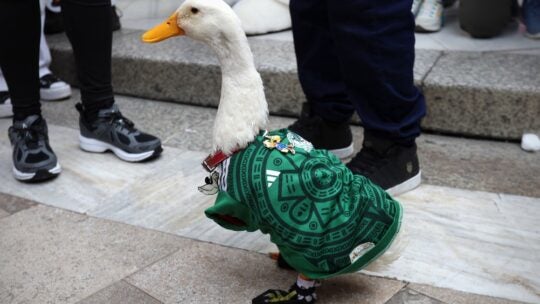
But guess who really captured everyone's hearts during the opening match day in Mexico City?
A little duck named Merlin, hanging out by the street.
Merlin became an instant internet sensation, with people calling him everything from a "national treasure" to "the best thing at the World Cup." For brands in the food, beverage and consumer goods industries, joining the Merlin fan club was a chance for some feel-good, safe engagement.
But here’s the twist: Merlin didn’t have a publicist, a big budget or any official FIFA ties. Most keyword tools missed him completely, because let’s be honest, who would ever think to track “World Cup” and “duck” together?
To catch these anomalies, social intelligence must look for semantic stories and contextual meaning rather than rigid keyword definitions.
Move From "What Happened?" to "What's Next?"
If brand monitoring starts and stops with typing prompts into an AI text box, PR pros might be working faster, but they're not necessarily getting smarter about the data.
To spot the next big fandom moment, PR teams need smarter, always-on AI-powered systems that can scan the digital world, connect scattered signals and predict trends. Instead of reacting after the fact, agentic social intelligence identifies opportunities and risks at the source, often hidden in social videos and images.
Historically, the videos and images mentioned above are too hard to spot, but that is one of the main things agentic social intelligence solves for. Take this FIFA World Cup data, for example:
- The Power of the Screenshot: Scotland returned to the World Cup for the first time in 28 years, and their fans famously hit a roaring 125 decibels in Boston. Advanced social intelligence tools captured this viral moment from a screenshot of a Google search result that a fan shared on X (Twitter), not just from text in an article.
- The Multimodal Shift: During this time, 61% of World Cup engagement happened through images, and another 35% through video. If your social monitoring tools only read post text and hashtags, you're missing out on the conversation.
- The Secret Sauce: Fandoms don't start in neat press releases. They start embedded in video frames, scrawled on stadium signs or tucked into fast-moving communities on platforms like Telegram and TikTok.
Claim Your Seat at the Strategy Table
When you can spot narrative shifts before they peak, your comms team can finally step away from constant ambulance chasing. Instead of just managing the daily news cycle, you become the visionary team that predicts where audience attention is moving next.
The next time the internet falls in love with a quirky mascot, a record-breaking crowd, or a surprise cultural moment, make sure your brand is actually ready to join the conversation. By stepping away from the old keyword scramble and letting smart brand intelligence do the heavy lifting, you can stop chasing the internet and start riding the vibe in real time.
After all, you don't want to miss the next duck moment.
Daniella Sampson is Head of Marketing at Pendulum.