


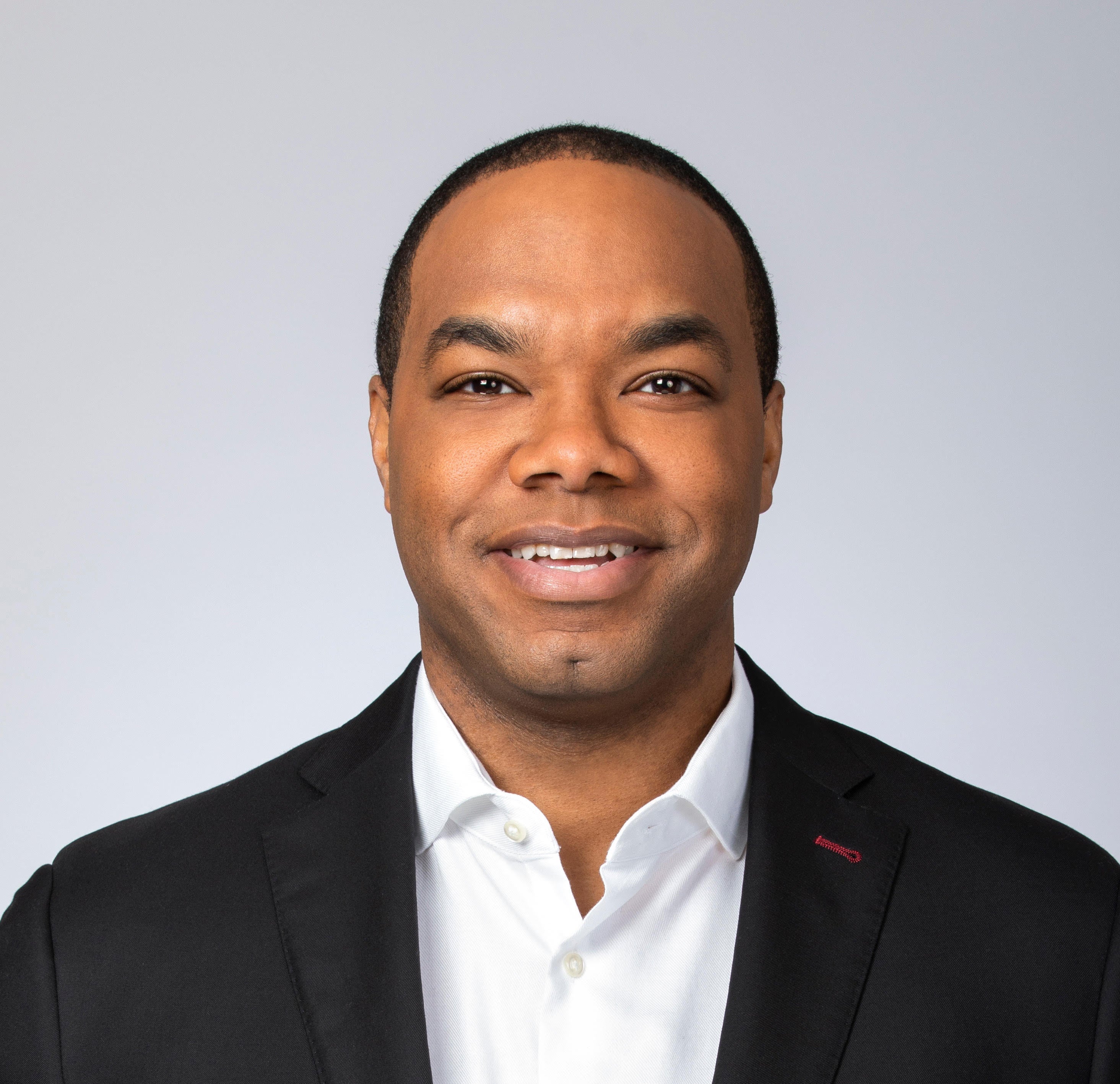
[Editor's Note: Ariane Lovell, Co-founder and Director of Public Relations at Trifecta Media Group, is back for our "Ask a Journalist" series. Next up? A conversation with Jason Spells, Studio Host for ESPN and The ACC Network .]
New technology, AI tools and changing cultural expectations around journalism can make the industry feel uncertain at the best of times. Despite these changes, networking, strong storytelling and building authentic relationships continue to open doors and move stories forward. Jason Spells, an ESPN on-air personality who’s been in the game for years, offers first-hand insights into what has changed and what still moves the needle.
Ariane Lovell For PRNEWS: How did you get your start in sports journalism and are there any pivotal moments or relationships that helped you break into the industry?
Jason Spells, ESPN: I kind of knew that I always wanted to do something where I talk. I didn’t quite know what it
would be, but my parents said I talked a lot as a child, so I knew I wanted to do something where I could put that to good use.
In sixth grade, I’m at the hospital watching basketball after an appendectomy in the first week of March. As any sports fan knows, that’s the greatest time in collegiate basketball and I spent it in the hospital watching the ACC tournament.
When I was in the hospital watching basketball, I said, “I want to do that.” That’s how I got into it.
Fast forward to my second semester at North Carolina State University, a family friend who was part of the National Association of Black Journalists called my parents knowing I wanted to be on TV and suggested I join a short course at North Carolina A&T State University where I had the opportunity to learn from and engage with Black journalists across the nation.
[Getting involved with NABJ was the foundation of his journalism career. Today, Jason continues that commitment to mentorship through his service on the Board of the Black Public Relations Society of New York (BPRS-NY), he recently joined the organization's PR Pathfinders Summit to discuss the experiences of BIPOC men in communications. It's a natural extension of the mentorship and relationships that helped launch his own career.]
Lovell: What was the first job that you landed?
Spells: Believe it or not, my first job when I graduated college was selling TVs at Best Buy. When I was in college, ESPN put out a call, “We need grips. We’ll pay you $500 for two days and you can come run cables.”
I made $2,000 a month, which was good back then. When I graduated college, I made sure to keep in contact with those people.
[A major turning point came in Spells’ career after graduating college while working on the sidelines at an NC State University vs Florida State football game. The recent grad handed out physical copies of his resume to anyone and everyone he encountered. He ended up handing one to a producer based in Raleigh, N.C. who was impressed by his hustle and helped him land his first job as a video editor.]
Lovell: What role do personal stories play in helping a story break through?
Spells: They're everything. Personal stories drive engagement, increase visibility and create a connection with audiences.
Look at the new Pope. The headline is that he's the first American Pope. But we have people talking about the personal details of the pontiff: he's from Chicago, he's a White Sox fan and he went to Villanova. Suddenly, people had something they could relate to.
That's the lesson for publicists. The broad story gets attention, but the personal story makes people care. When you find that point of connection, you're giving audiences a reason to engage, share and remember it.
Lovell: When it comes to working with publicists and when we pitch a player or coach for a segment, what specific background materials or assets help you quickly see a story's potential and move it forward?
Spells: Back in the day, they’d send a pitch deck. Here’s two clips and some high-res photos. Nowadays, it’s how nuanced that story pitch can be. If you’re going to send me a story about a baseball player and say: “Here’s a Big League baseball player. He’s batting a 275.” It’s more so: “He’s the hottest player in baseball right now and pitchers fear him.”
It’s almost like a headline. For articles, it’s the catch. You extrapolate out those stats, make a catch, then hook somebody in. Then you get into the numbers and the soundbites.
Lovell: Are there specific differences in how you evaluate pitches for TV versus digital?
Spells: No. I remember when they were different, but now they're not. A good story is a good story.
You'll see pitches that include both a major video component and a strong written component so they can live in multiple places. The video helps draw people in, while the written story adds extra quotes and deeper context. That's why the pitch is really the same now, whether it's for TV, digital or both.
Lovell: AI continues to reshape the media landscape. What impact do you see it having on journalism and media relations?
Spells: We're already seeing examples of AI-generated broadcasters overseas and NBC Sports even experimented with an AI version of Al Michaels' voice during the Olympics. As those tools become more sophisticated, it may become harder to distinguish what's human-created from what's AI-generated.
For publicists, that makes relationship-building even more important. The technology may change, but trusted relationships and authentic storytelling will continue to be what helps stories stand out.
Lovell: When a reporter is working against a deadline or covering breaking news, what do you need most from publicists?
Spells: Responsiveness. As soon as possible. There’s always someone looking for your story.
###
Jason Spells' career is a reminder that while platforms, algorithms and AI continue to evolve, the fundamentals remain the same. From NABJ to the producer who took a chance on a resume handed over at a football game, his journey underscores a simple truth: people still connect with people. If you want to follow Jason’s career, find him on Instagram.
Ariane Lovell is the Director of Public Relations at Trifecta Media Group.